
Days:00
Hours:00
Minutes:00
Seconds

info@icoi.com.cn

Welcome to Zhangjiajie, China!
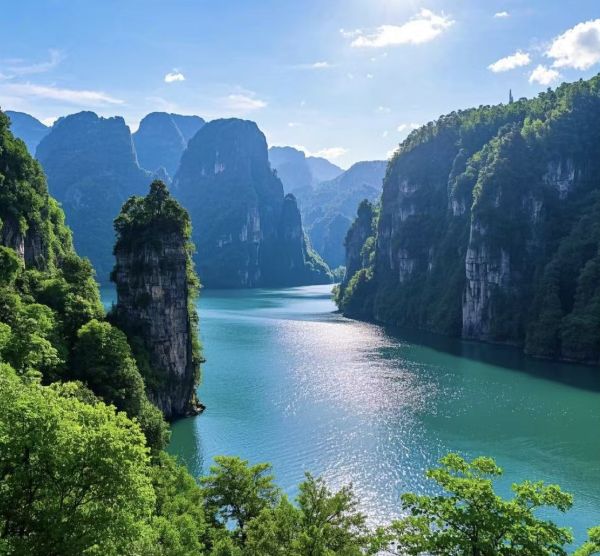
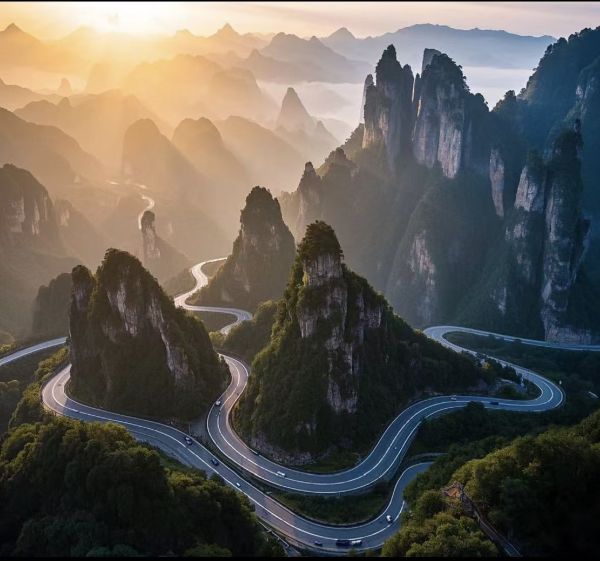
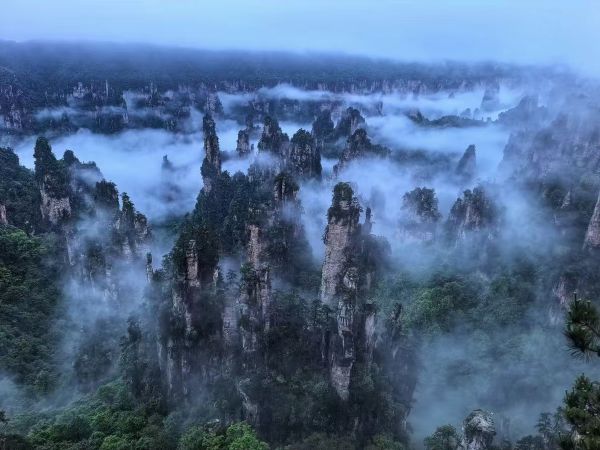
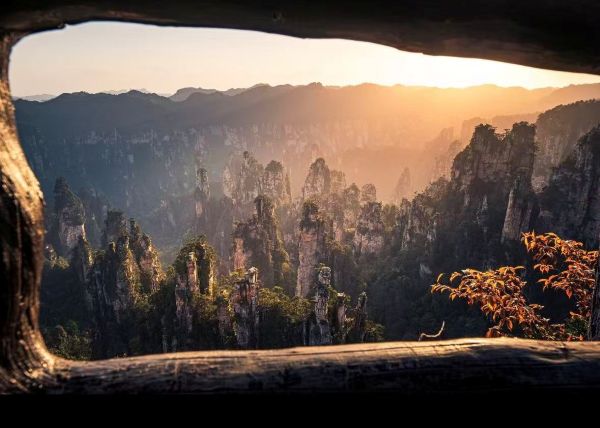
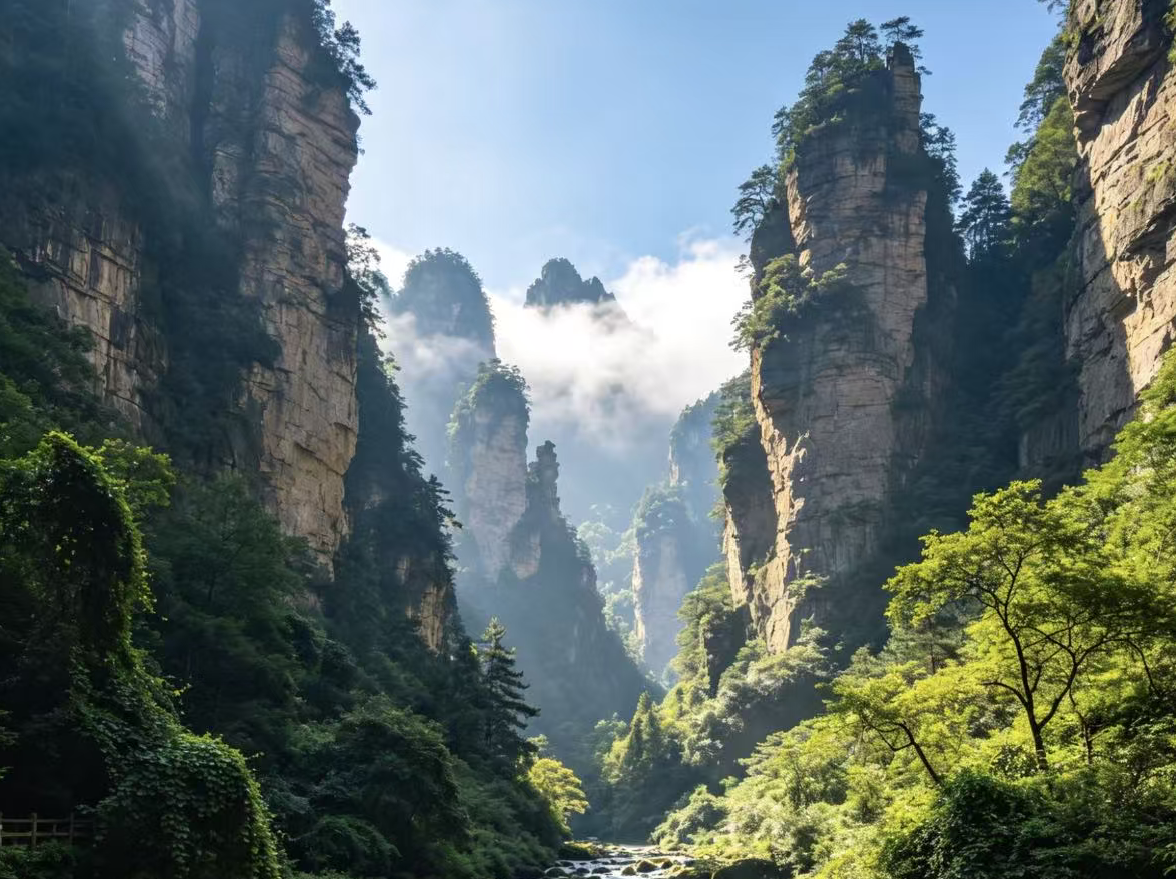
Zhangjiajie, located in the northwestern part of Hunan Province at the heart of the Wuling Mountains, is a prefecture-level city established in 1988 for tourism, renowned for its quartz sandstone peak forest landscape of “three thousand peaks and eight hundred beautiful waters,” hailed as “a miniature fairyland in an enlarged bonsai.” Home to the folk arts of 33 ethnic groups including the Tujia, Bai, and Miao, and blending Chu-Wu culture, Tusi culture, and revolutionary heritage, it is a UNESCO World Natural Heritage site and one of the world’s first Global Geoparks, celebrated as “a paradise on earth” and “the kingdom of peak forests.”
As the core bearer of the Wulingyuan peak forest, Zhangjiajie features thousands of towering stone peaks, including Tianzi Mountain, Tianmen Mountain, and Jinbian Stream, which together with sea clouds and mountain streams form a geological epic, while intangible cultural heritage such as the Tujia hand-waving dance and Sangzhi folk songs thrive here, weaving a colorful cultural tapestry. As the home of China’s first national forest park, Zhangjiajie boasts forest coverage among the highest in the country and is forging a world-class tourist destination that blends the scientific value of its peak forests with the vibrant charm of Tujia and Miao villages.